
Selling on Depop looks easy from the outside. You scroll, you see a cropped hoodie photographed on someone’s bedroom floor, it sells in two hours, and you start doing the mental math like: okay so I could just… list ten things tonight… and then somehow my rent is handled.
The first time you actually try to start a Depop shop, you realize there are about a hundred tiny decisions that matter more than they should. Like whether you photograph on a wrinkled bedsheet (people will notice), whether you write “rare y2k vibe” (people will roll their eyes) and whether you can find a mailer that doesn’t make your package look like you kicked it down the stairs before taping it shut (buyers absolutely care).
Before you list anything: decide what kind of seller you are (for now)
You can sell on Depop in a bunch of different “modes”, and pretending you don’t have a mode is how you end up burned out with a pile of unlisted stuff and a camera roll full of identical carpet photos.
There’s the closet clear-out seller (you list what you already own), the thrift-flip seller (you source and resell), and the niche collector seller (you know way too much about one category like vintage Nike tags or Japanese denim fades). Nothing stops you from mixing them, but for your first two weeks, picking one helps because it makes decisions easier: what to source, what to price, what your photos should look like, what your bio says, even what people expect when they open your shop grid.
Also, small thing, but it matters: Depop is visual. Your items are competing with outfits, not spreadsheets. If you keep that in your head, your listing tips get simpler: styling, clarity, and trust beat clever wording.
If you’re starting with your own closet, don’t start with your “hard items” first. List the easy wins: name-brand, obvious size, easy condition. Your first sale is mostly a confidence thing, and it also proves your shipping workflow works without fumbling around at the post office for 20 minutes.
Set up your Depop profile like you want strangers to trust you
This is boring, but I’m still going to tell you to do it, because the “new seller with no info” vibe makes buyers hesitate even if your item is perfect.
- Choose a username you can live with. If you plan to stick around, don’t pick something that bakes in a niche you might outgrow (“Y2KQueenForever” is fun until you realize you mostly sell gorpcore windbreakers now).
- Add a clear profile photo or logo. It doesn’t have to be your face, but it should look intentional.
- Write a bio that answers buyer anxieties fast. Shipping time, whether you accept offers, whether you do bundles, and anything important like “smoke-free home.”
I also like a pinned “shop policies” post if Depop’s UI makes it easy for you, but don’t turn it into a novel. Most people won’t read it. They’ll skim.
A small branding move that actually helps: make a shop pfp + banner set + product photoshoot
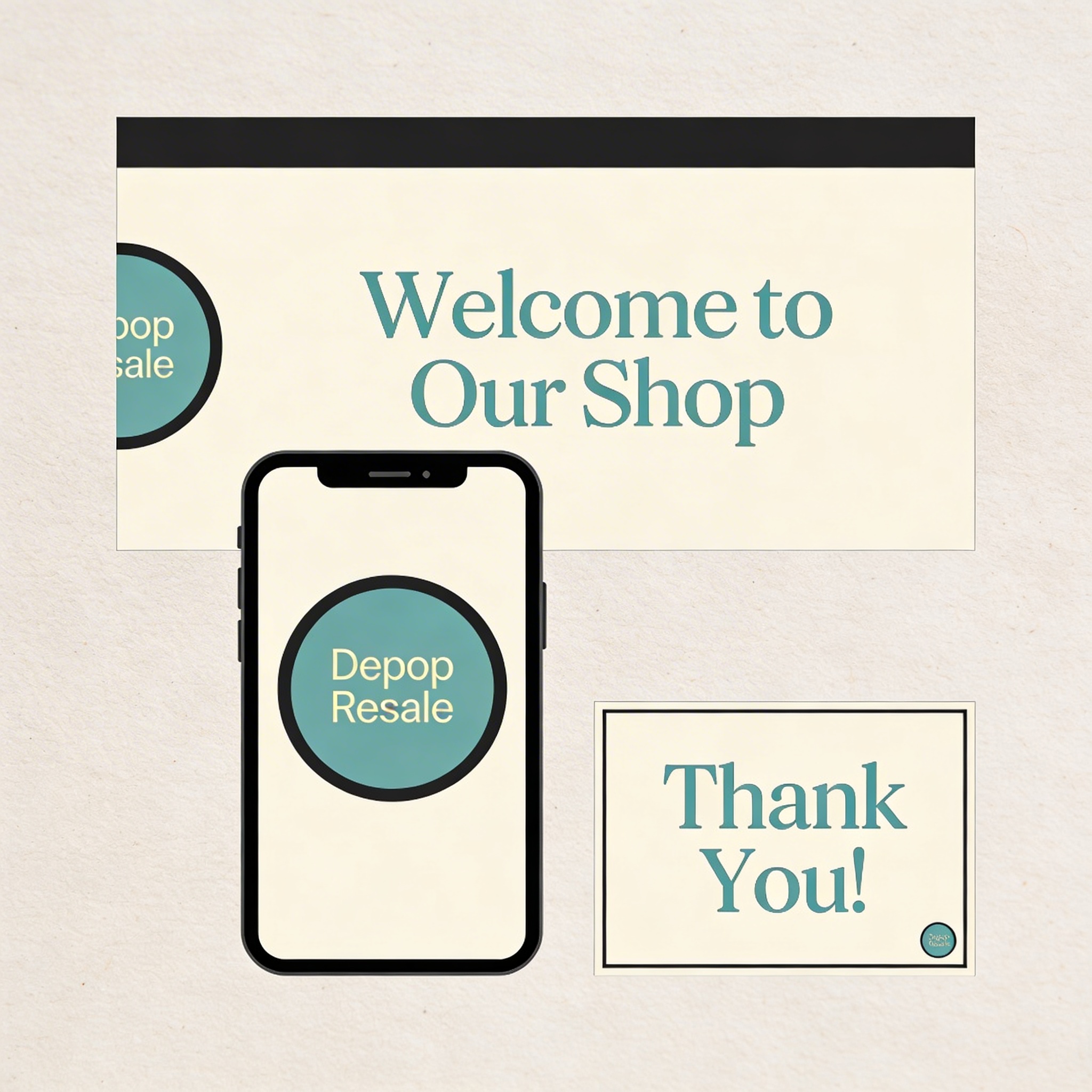
You can totally do this with a simple camera photo, but if you want something cleaner (and quick), this is one of the places I like using Stockimg.ai. I’ve generated a minimal resale-shop logo mark, a matching header image, and even a little “thank you card” graphic that I print at home. Nothing fancy, just consistent so your shop feels more “real” even before you have 50 reviews. You can also convert your product images to professional product photoshoots using Stockimg.ai.
The trick is to keep it subtle. Depop buyers do not want corporate. They want human. A simple icon, muted palette, and readable type is enough.
What to sell on Depop
People ask “what sells on Depop” like there’s a secret list, but it’s more like: items that look good in a square photo and fit a trend tend to move faster.
If you’re new, you want categories where:
- the size is straightforward,
- condition is easy to show,
- shipping isn’t a nightmare,
- and buyers already understand the value.
Beginner-friendly items that usually move:
- Graphic tees, baby tees, tanks
- Jeans with a recognizable fit or brand
- Sweaters and hoodies (though shipping weight can bite you)
- Sneakers in clear condition, with lots of photos
- Outerwear when it’s season-appropriate
- Bags that photograph well
Stuff I’d skip at the start (not forever):
- Anything fragile that stresses you out (vintage glass accessories, perfumes)
- Anything where fit is basically subjective and returns become drama
- Super cheap basics that cost more in time than profit
- “Mystery size” vintage with missing tags if you can’t measure well
There’s also the reality that Depop is trend-driven. You don’t need to chase every microtrend, but you do need to understand that a cool item in July might sit until October, and that’s not you failing, it’s just seasonality and attention.
Listing photos: the difference between “no likes” and “sold overnight”
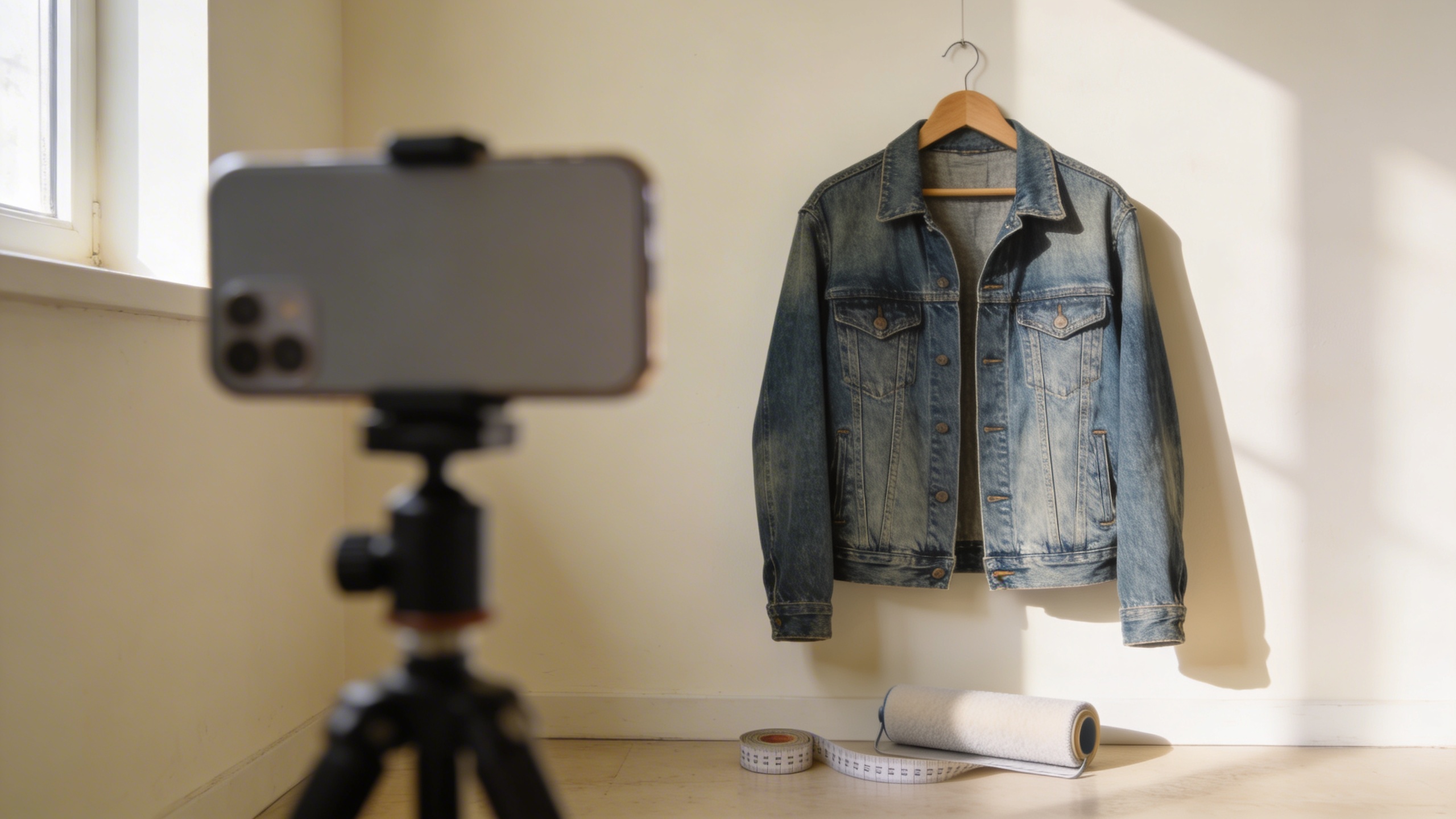
Depop listing tips often obsess over keywords, but your photos do most of the work. If your first photo is weak, nobody even clicks. If your second and third photos are weak, clicks don’t convert.
You don’t need professional equipment. You can convert your product images to professional product photoshoots using Stockimg.ai.
Writing descriptions that don’t waste space and rank in search
Depop is a marketplace, but it’s also basically social shopping. A description needs to let a buyer decide quickly, and it needs to protect you later if a dispute happens.
I format mine like this:
- Item: brand + what it is + key vibe (don’t overdo vibe words)
- Size: tag size + how it fits + measurements
- Condition: new, like new, good vintage, flaws listed
- Notes: fabric, stretch, rise, anything buyers always ask
- Shipping: when you ship, bundle info
Example
“Levi’s 505 jeans (medium wash). Tag size 32x30, fits true with a straight leg. Waist 16 in flat, inseam 30 in. Great condition, no stains, normal light wear. Mid rise, non-stretch denim. Ships in 1-2 days, bundles welcome.”
That’s it. You don’t need an essay. And please don’t write 40 completely unrelated hashtags. It makes you look spammy and it usually doesn’t even help.
Measurements: the easiest beginner edge
If you want to make money on Depop more consistently, measurements are an unfair advantage because half of listings do not include them. You are reducing risk for the buyer. You are also reducing the number of annoying back-and-forth questions that derail a sale.
Get a soft measuring tape. Add:
- pit-to-pit for tops
- length for tops
- waist, rise, inseam for pants
- outsole length for shoes if sizing is weird
Pricing without spiraling
Pricing is where new sellers freeze. Because you want money, but you also want the item gone, and you don’t want to feel robbed.
Here’s the system I use when I’m not overthinking:
- Search for similar sold items on Depop (or at least similar active listings).
- Decide if yours is better, average, or worse condition.
- Set a price slightly above what you want, because offers will happen anyway.
Also, remember what you’re actually selling: you’re selling an item + speed + trust. If you ship next day and your photos are clear, that’s worth something.
Fees reality check (US)
Depop changed its fee setup in the US in 2024, removing the old 10% selling fee and moving to a smaller “marketplace fee” approach plus payment processing. This matters for pricing because your old “Depop takes 10%” mental math is outdated if you learned from older TikToks.
I still build a tiny buffer into my price because boosted listings, shipping supplies, and the occasional annoying return shipping situation can erase your profit faster than you expect.
Shipping: this is where most beginners quit
Shipping is not hard, it’s just unfamiliar. Once you do it three times, it becomes muscle memory, and then it’s just… taping boxes while watching something you barely like.
In the US, you can often use Depop Shipping (Depop generates the label), and if you select it, you’re expected to use the label Depop provides. The simplest beginner workflow is: use Depop Shipping, print the label, tape it on, drop it off, get a receipt, done.
My “don’t mess this up” shipping checklist
- Package is clean and sealed (no half-open edges)
- Old labels removed if reusing a box
- Item is lint-rolled (seriously)
- Polymailer or box fits, not huge empty void
- Correct weight and label
- Drop-off receipt or acceptance scan
If you can afford it, buy a small digital scale. It removes guesswork. Underpaying postage can cause delays, returns, or extra charges for the buyer, which instantly turns your “easy sale” into a support-ticket situation.
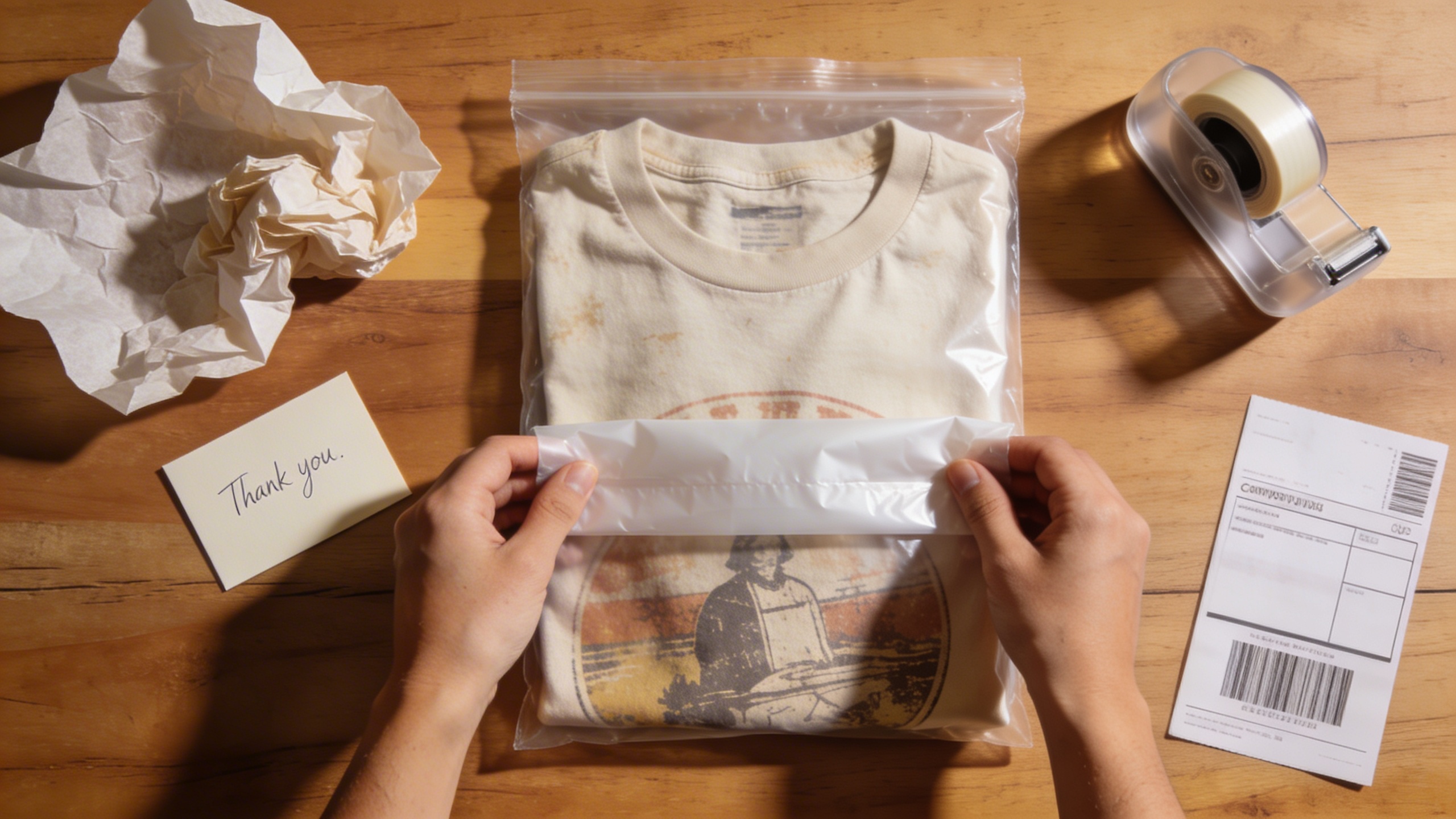
Do you need cute packaging?
You don’t need to turn every shipment into a Pinterest craft. A clean mailer, a simple thank-you note, and maybe a sticker (You can design it with Stockimg.ai) is plenty. I overdid it once with ribbon and a polaroid-style card and the buyer left a 4-star review anyway because USPS was slow. That was the day I decided I’m not auditioning for “Most Adorable Parcel.”
The real goal is: item arrives safe, clean, and as described.
The first 10 listings: what I’d do if I had to start over tomorrow
If you’re trying to start a Depop shop from zero, focus on momentum. Momentum is sales, yes, but it’s also: your own routine, your own confidence, your own ability to list without it taking 40 minutes per item.
Here’s the exact order I’d do things in:
- List 3 items the same day you create the account. Not perfect. Just posted.
- List 2 more the next day.
- Take all photos for the next 5 items in one batch, edit fast, schedule listing time later.
- Use a consistent template for descriptions so you’re not reinventing the wheel.
- Reply quickly for the first week. Depop buyers move on fast when they’re shopping.
- Ship fast, even if it annoys you. Your early reviews matter more than you think.
Some people do the opposite and try to build a perfectly curated shop grid before listing. It looks pretty, but it delays learning. You learn by shipping and dealing with real buyers.
Depop listing tips that sound small but move the needle
Titles that actually help
Your title should include the obvious search terms: brand, item type, key feature.
“Vintage Nike mini swoosh hoodie gray size M” beats “Cute cozy hoodie”.
You can still have personality in the description. The title is functional.
Your first photo is a billboard
Crop tighter than you think. Center the item. No clutter. I like flat lays, but try-ons can sell better for fit. If you don’t want to show your face, you don’t have to. Lots of sellers crop at neck.
Don’t hide flaws
You’re not “talking yourself out of a sale.” You’re preventing refunds and bad reviews. Also, buyers respect it. Sometimes flaws don’t even matter if the price reflects it.
Use bundles in a way that doesn’t steal from you
Bundle discounts can be great, but you need to remember shipping weight. Two lightweight tees, great. Two hoodies plus jeans, not great unless you’ve priced the shipping correctly.
Boosted listings: worth it?
Sometimes. I’ve boosted items that sat for weeks and then sold within a couple days, and I’ve also boosted trendy pieces that would’ve sold anyway and basically donated margin.
If you’re a beginner, I’d treat boosting like seasoning, not the meal. Use it on a handful of items, watch what happens, and keep notes. Depop can feel like vibes, but you can still run tiny experiments.
The part where your shop starts looking “real”
There’s a moment after a few sales where your Depop for beginners experience shifts. Your profile has reviews, your photos start looking consistent, and you stop second-guessing every message.
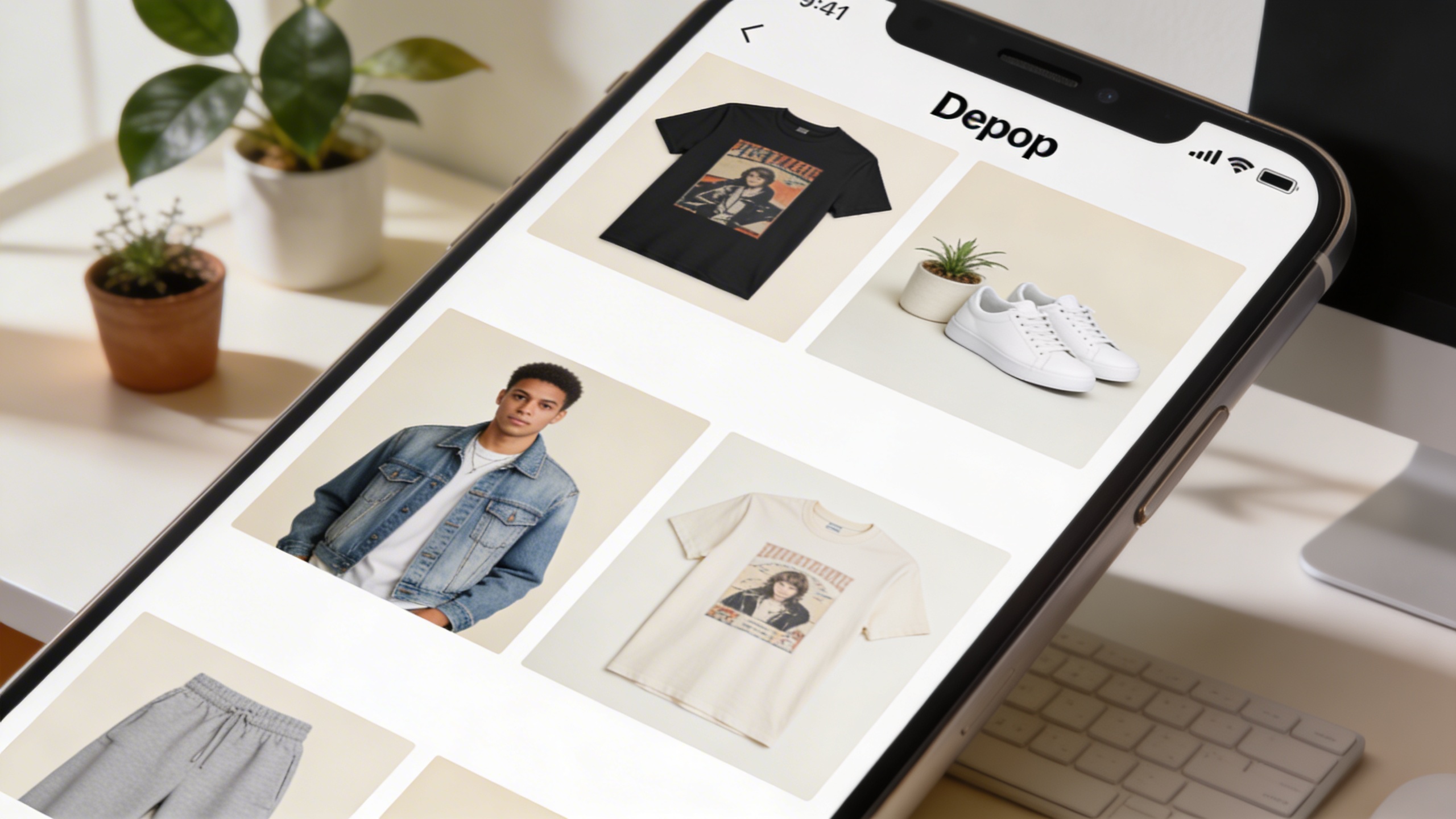
This is where small branding touches help, not because buyers are obsessed with your logo, but because consistency signals care. If you want to do that without spending hours in design software, this is another place Stockimg.ai fits naturally: quick background textures for flat lays, clean shop icons, even little “bundle deal” graphics you can post as a listing image if Depop’s format allows it.
The key is restraint. You’re a person selling clothes, not a marketing department. I keep everything in one palette (cream, black, muted green) and I avoid anything that looks like a loud coupon.
Common buyer messages and how to answer without losing your mind
You’re going to get repeats. Make peace with it.
“Lowest you’ll go?”
If you want offers: “Thanks for asking! I can do $X shipped today.”
If you don’t: “Price is firm right now, but thank you!”
“Can you do try-on pics?”
If you can: do it fast and keep it simple. If you can’t: “I can’t do try-ons, but I added measurements (pit-to-pit and length). Let me know what fit you’re going for and I can help compare.”
“When can you ship?”
Answer with a concrete day. Not “soon.”
“I can ship tomorrow (Wednesday).”
“Is this authentic?”
If it’s a brand that gets faked, you should already have extra photos: tags, stitching, serials if relevant. If you’re not sure, don’t guess. Don’t list questionable stuff as authentic.
Getting paid and staying protected
Only take payments in-app. If someone tries to pull you into weird payment methods, skip it. The few dollars are not worth the stress.
Also, ship to the address on the Depop receipt, not whatever they message you. This is another beginner thing people learn the hard way, and it’s so avoidable.
Keep your receipts, keep your tracking, and don’t ship untracked because a buyer “seems nice.” Nice people still lose packages.
What I’d track if your goal is to make money on Depop (not just clear space)
If you’re casually selling, you don’t need a spreadsheet. If you want to treat this like side income, track a few numbers so you don’t lie to yourself.
- Cost of goods (even if it’s your closet, assign a rough cost if you want real profit)
- Selling price
- Shipping cost and supplies
- Time to list
- Time to pack/ship
- Net profit
You’ll notice patterns fast: certain categories pay you more per hour. Certain items take 30 photos and three buyer conversations and then still don’t sell. You can stop buying or listing those.
Mistakes I still see new sellers make (and I’ve made most of them)
- Listing everything at once with inconsistent photos and then wondering why nothing gets attention.
- Using weird lighting “because it’s aesthetic” and making colors inaccurate.
- Pricing too low, then realizing after shipping supplies you basically worked for free.
- Waiting three days to reply, then blaming Depop’s algorithm.
- Not measuring, then getting constant fit questions.
- Shipping late, then trying to “explain” it instead of just shipping on time.
Depop selling tips can feel like rules, but most of them are really just: remove friction for the buyer. Your job is to make “yes” easy.
A realistic “first month” plan (not perfect, just workable)
Week 1: List 5-10 items. Ship fast. Learn the flow. Don’t buy inventory yet unless you already know what you’re doing.
Week 2: Improve photos. Rewrite the worst 3 descriptions. Relist 2 items with better titles and a tighter first photo.
Week 3: If you’re sourcing, do one small source trip with a budget you won’t cry about. Buy fewer items than you want. Be picky.
Week 4: Decide what category actually worked for you. Double down there. Ignore the dopamine of random trend items if they don’t convert.
That’s the whole thing. The “Depop selling guide” that works is basically: list consistently, photograph honestly, ship quickly, repeat.
Frequently Asked Questions (FAQs)
How many items should you list when you first start a Depop shop?
Aim for 10-20 items in your first couple weeks, but don’t wait until you have 20 to start. Listing 3 today beats planning 20 for next weekend and never doing it.
Do you need a niche to sell on Depop?
No, but it helps. Even a loose niche like “denim + graphic tees” makes your shop feel intentional, and buyers who like one item often browse the rest.
Why are my listings getting likes but not selling?
Usually it’s pricing, unclear sizing, or weak photos. Likes can mean “cute” while a sale means “I trust this will fit and arrive as described.”
Should you use Depop Shipping or ship on your own?
If you’re a beginner, Depop Shipping keeps the workflow simple because the label is generated for you. Once you’re comfortable, you can experiment with other options if they’re available to you and make sense for your margins.
What’s the fastest way to improve your Depop listing photos without buying equipment?
Move to a window, pick one clean background, and crop the first image tighter so the item fills the frame. That alone can make your shop look like a different person is running it.
Can you sell handmade items on Depop or is it just thrifted stuff?
You can sell handmade, but you’ll want to be extra clear in your description about materials, sizing, and processing time so buyers don’t assume it ships tomorrow like a basic tee.
How do you handle refunds or disputes as a new Depop seller?
Keep everything in-app, ship with tracking, and document condition with clear photos before shipping. If a dispute happens, you want your listing details, tracking, and messages to all match cleanly.
How long does it take to make money on Depop?
Some people get a first sale in a day, some take a few weeks, and it often depends on how in-demand your first 10 listings are and how quickly you ship once you do sell.