
You can spot a weak restaurant logo from across the street. It usually looks like clipart that got stretched, with a random fork and spoon slapped next to a font that belongs on a kid’s birthday invitation. And the worst part is that it is not always the small places that have this problem. I’ve seen restaurants with serious rent and a serious chef still wearing a logo that feels like it came free with a domain purchase.
This post is basically my little prompt cookbook. You’ll get 10 “best” prompt concepts (each of them is a full prompt you can paste), plus variations, tweaks, and a few restaurant branding strategies I wish people told me earlier. I’ll also show you how I run these through Stockimg.ai when I want a clean vector-style logo without going down a rabbit hole for three hours.
Even if you’re not a designer, you can fake it in a prompt by naming constraints:
- Style: minimalist vector, monoline, negative space, badge, wordmark, emblem
- Palette: 2 colors max, or black and white first
- Detail level: no gradients, no heavy textures, thick strokes
- Output vibe: modern fast-casual, rustic artisan, premium, playful, retro, street-food gritty
And yes, you can do all of that inside Stockimg.ai in one go, then iterate fast by changing just one line at a time.
The Best 10 Logo Prompts for Food & Restaurant Brands (with real variations)
Below are ten core prompts. Each one is built as a “concept bucket” you can reuse for different cuisine types and brand personalities.
Important: If you want a brandable result, replace the brand name with your actual name (keep the same typography directions). I’m using sample names so you can picture real restaurant logo ideas, not abstract placeholders.
1) The “signature ingredient” mark (simple icon + clean wordmark)
This is the one I default to when I don’t know what else to do. Pick one ingredient that people associate with you (lime, garlic, chili, olive, wheat stalk, mushroom) and elevate it into an icon.
Prompt: "minimalist vector restaurant logo for a modern taqueria named 'LIMON + SAL', single iconic lime wedge with subtle negative space salt crystals, clean geometric shapes, bold sans-serif wordmark, balanced spacing, black and white, high contrast, scalable, no gradients, no photo, brand identity mark"
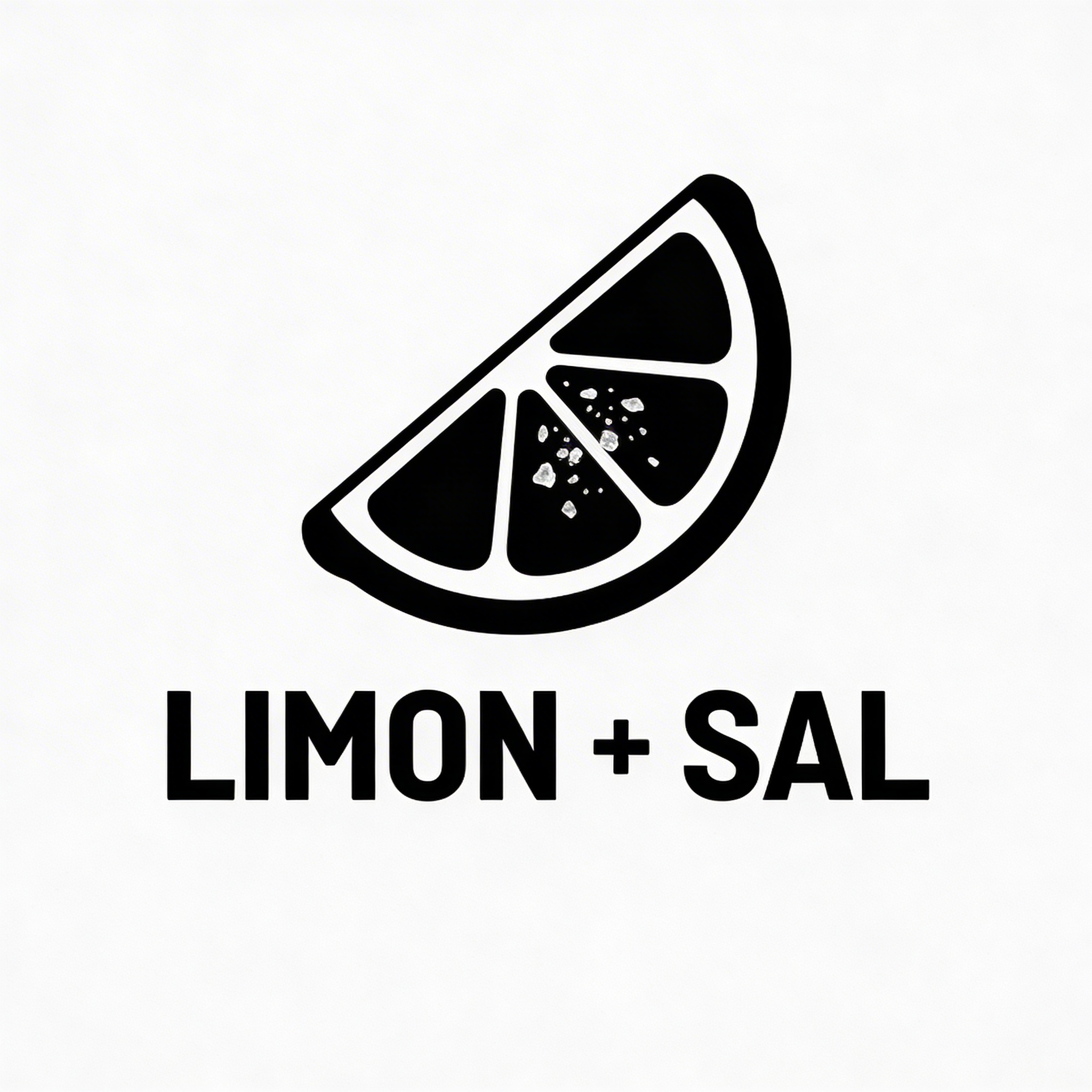
This fits a ton of “fresh, modern, fast-casual” places. The trick is the negative space detail. It’s not decoration, it’s a signature. If you’re doing salad or wellness food, swap the lime for a leaf. If you’re doing ramen, a scallion loop. If you’re doing bakery, a wheat kernel.
Variation ideas you can try in Stockimg.ai
- Switch to “monoline” and thicker stroke for better embroidery.
- Replace bold sans-serif with “high-end serif wordmark” for upscale.
- Add one accent color: “deep green (#1F5D45)” or “chili red (#C0392B)”.
2) The “hidden letter” logo (negative space monogram)
Monograms sound fancy, but they’re practical. A restaurant that mostly sells online (delivery-first, ghost kitchen, bottled sauce brand) benefits from a recognizable icon that is basically a single letter.
Prompt: "modern monogram logo for a gourmet burger brand named 'BRICK', bold uppercase letter B formed with negative space burger bun silhouette, minimalist vector, thick strokes, flat design, black and white, clean spacing, scalable for app icon, no gradients, no shadows"
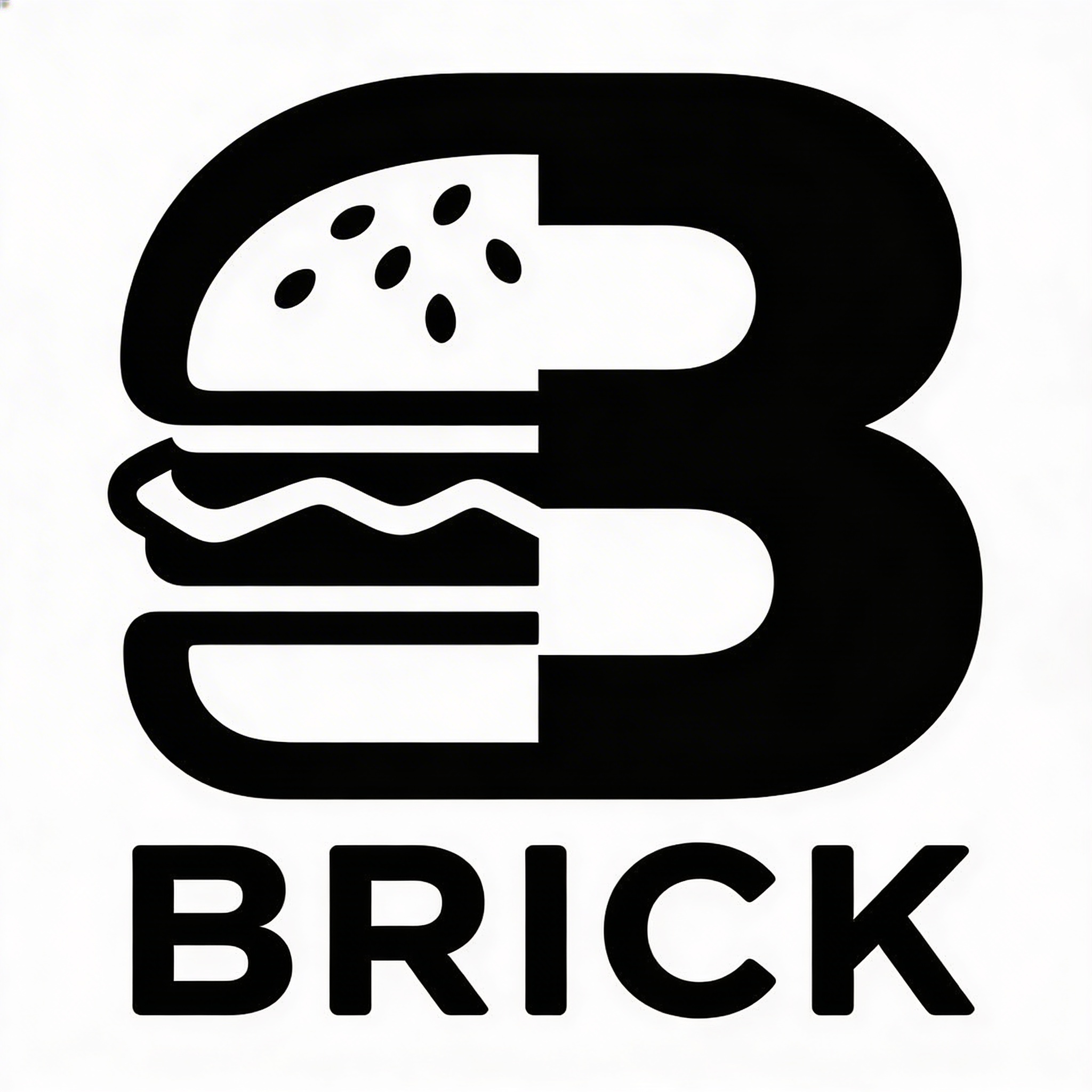
This is one of those creative logo concepts for restaurants that looks “designed” even when the concept is obvious. The danger is overcomplicating the letter. If the letter becomes unreadable, you end up with a shape that means nothing.
Small strategy note: If your restaurant name is long, a monogram helps your social avatar. You can keep the full name for signage and menus, but your icon-only version stays crisp.
3) The “heritage badge” for diners, breweries, bakeries, and BBQ
Badges are overused, yes. But they work for certain categories because they imply tradition and “we’ve been here a while,” even if you opened last Tuesday.
Prompt: "vintage badge logo for a barbecue restaurant named 'SMOKEHOUSE NO. 7', circular emblem with simple line art flame and oak wood log, bold slab serif typography, limited two-color palette (black + warm tan), vector style, slightly distressed but still clean, no gradients, high legibility"
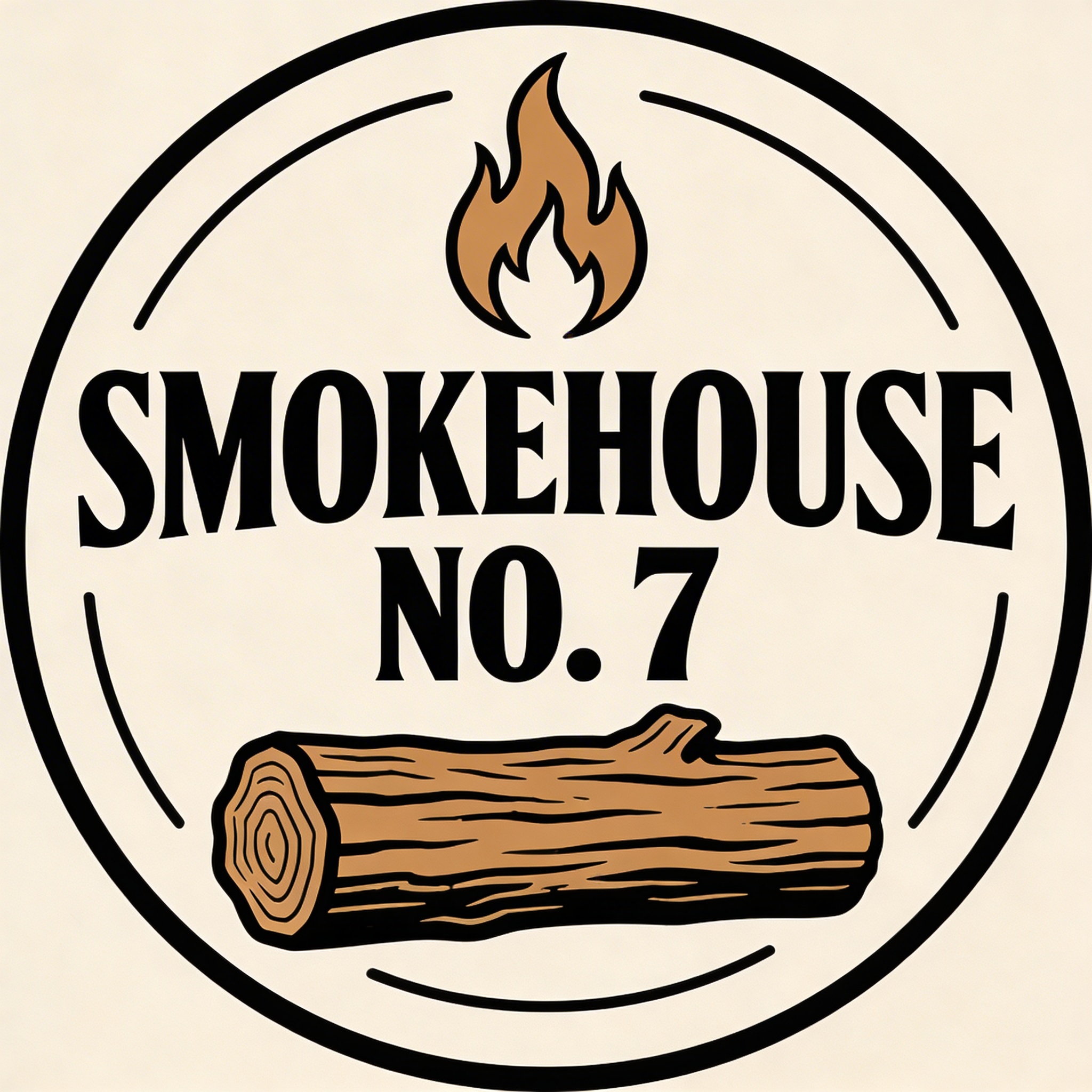
The “slightly distressed but still clean” line is doing a lot of work because too distressed becomes unreadable fast, especially on small labels.
If you’re doing restaurant branding strategies for a place that sells merch, this badge style prints nicely on hats and tees. You just need that icon to be strong enough that it still looks good stitched.
4) The “single stroke” noodle or ramen logo (monoline, calm, deliberate)
Ramen brands often drift into chaotic mascots and Japanese patterns. That can work, but if you want “quiet confidence,” go monoline.
Prompt: "monoline vector logo for a ramen restaurant named 'KIZUNA RAMEN', single continuous line forming a bowl with steam that also hints at a subtle infinity symbol, elegant minimal design, thin but readable stroke, balanced wordmark in modern sans-serif, black and white, no gradients, no illustration details"
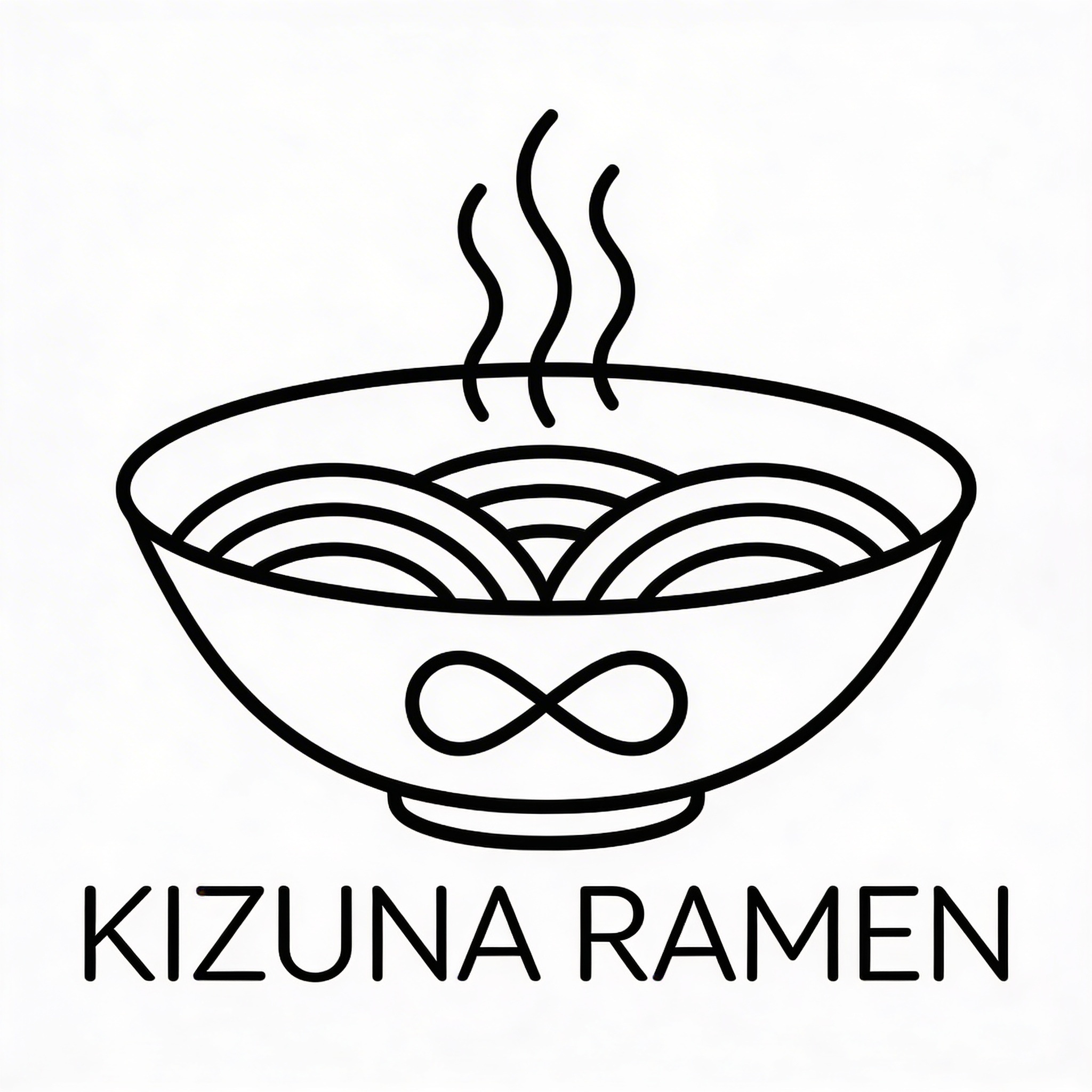
If you’re testing logo inspiration for restaurants in Stockimg.ai, monoline is also the style where “almost good” is common. You’ll get 80 percent of the way there easily, and then you have to be picky about stroke weight and spacing.
I usually do a second generation where I explicitly say “thicker stroke for signage visibility” if it comes out too delicate.
5) The “artisan stamp” for coffee, pastry, and small-batch food brands
This one feels like packaging immediately. A stamp mark looks good on cups, bags, and stickers, and it doesn’t scream “I used AI” because stamp logos have imperfections by nature.
Prompt: "artisan stamp logo for a coffee roaster named 'EMBER & OAK', simple hand-inked stamp style circle mark, coffee bean icon with subtle flame detail, slightly imperfect edges like real rubber stamp, limited two-color palette (dark espresso brown and off-white), high readability, vector-like, no gradients"
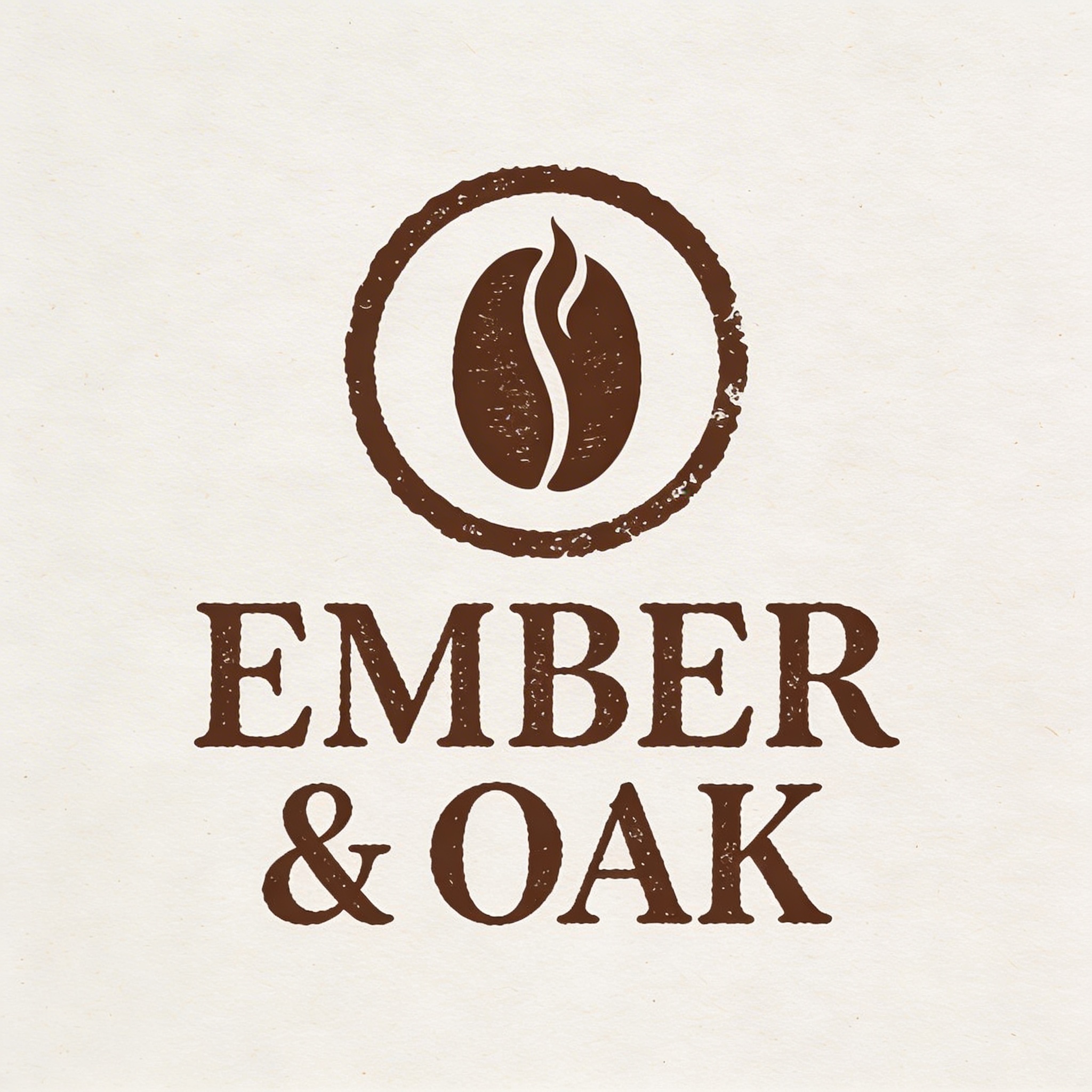
If you’re serious about logo design for food brands, stamps are also forgiving across materials. Glossy cups, kraft paper, recycled cardboard. Everything looks intentional.
One thing I’m still undecided on: stamp texture in the core logo file. Sometimes I keep the logo clean and I add the stamp texture only in packaging designs. Other times I bake it in. Both can work, it just depends on how much flexibility you need.
6) The “fresh market” produce logo (friendly, not juvenile)
Health-forward restaurants can accidentally look like daycare brands. You want friendly, yes, but not kid-ish. The prompt has to control the tone.
Prompt: "friendly modern logo for a fresh salad and juice bar named 'GREEN CART', simple vector icon of a small produce cart with leaf and citrus shapes, rounded geometry, clean sans-serif wordmark, two-color palette (deep green + cream), minimal flat design, no gradients, not childish, high legibility"
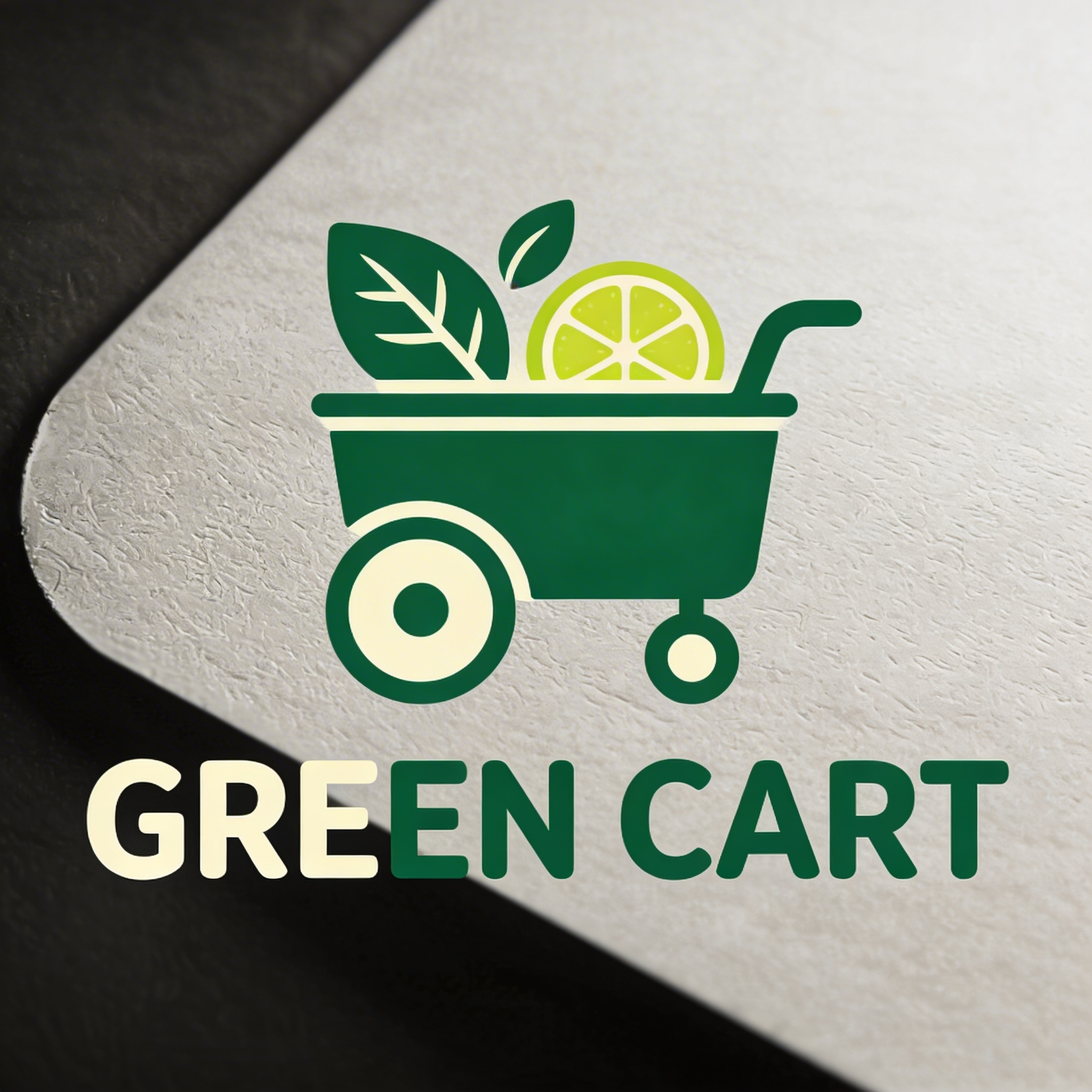
Notice the “not childish” line. It sounds silly, but it helps.
If you’re working on food branding tips, one of the best ones is this: do not compete on “healthy” alone. Everybody says healthy. Pick a concrete angle you can own (local produce, cold-pressed, seasonal bowls, protein-heavy, vegan comfort food) and reflect that in a symbol.
7) The “clever container” logo for takeout-first concepts (box, bag, bottle)
If you’re delivery-first, your logo shows up mostly on packaging and in app thumbnails. The smartest brand move might be to build an icon around the container people see most.
Prompt: "modern minimalist logo for a takeout-focused fried chicken brand named 'CRISP BOX', geometric icon of a takeout box with a simple chicken silhouette cut out in negative space, bold sans-serif wordmark, flat vector, black and white first, scalable, high contrast, no gradients, no mascot"
This is a restaurant branding strategy disguised as a prompt. When your packaging itself becomes an icon, people remember you without trying. It’s also great for social because the mark reads immediately.
8) The “sea + salt” minimal emblem for seafood brands (without anchors)
Please do not use an anchor unless you really need it. Everybody uses an anchor.
Instead, go for abstract sea shapes: wave lines, fish silhouette, shell geometry, a single droplet, a hook shape simplified into a curve.
Prompt: "minimal premium logo for a seafood restaurant named 'TIDE & SALT', abstract wave icon formed with two curved lines and a subtle fish silhouette in negative space, elegant serif wordmark, monochrome navy on white, clean vector style, high-end coastal vibe, no gradients, avoid anchor symbols"
The key is “avoid anchor symbols.” You’re telling the model you’re aware of the cliché, which nudges it into a more original solution.
For best logo designs for food businesses in seafood, navy tends to work because it signals “clean” and “ocean” without leaning into cartoon fish territory.
9) The “playful mascot” that still works at small size (if you insist)
Sometimes a mascot is the right call. Kids’ dessert shops, cookie brands, ramen spots that go full street-culture, pizzerias with a loud tone. Mascots can be memory machines.
But if you prompt for a mascot without constraints, you’ll get a full illustration with tiny facial details that vanish when you scale down.
Prompt: "simple bold mascot logo for a pizza shop named 'SLICE BUDDY', cute but minimal cartoon slice character with thick outlines, limited details, flat colors (tomato red, mozzarella cream, charcoal), big readable eyes, clean sans-serif wordmark, vector style, designed to be legible as a small icon, no gradients"
The “designed to be legible as a small icon” line is the guardrail. You can also add “no complex shading, no background scene” to keep it logo-like.
And yes, I’ve been guilty of making mascots too detailed because I got emotionally attached to them. It happens.
10) The “chef’s tool” mark (mortar and pestle, knife, whisk) for focused concepts
This is great when your restaurant is built around a technique: wood-fired, handmade pasta, stone-milled flour, wok hei, fermentation, pastry craft. A tool implies craft.
Prompt: "minimal vector logo for a handmade pasta restaurant named 'STONE MILL PASTA', simple mortar and pestle icon with a wheat grain hidden in negative space, clean serif wordmark with subtle letter spacing, monochrome black and white, high contrast, scalable, no gradients, tasteful and premium"

Food brand logo prompts like this are the ones that turn into a broader identity system. The wheat grain can become a pattern. The mortar shape can become a badge frame. You get a lot for free.
Extra prompt variations (because 10 is never enough when you’re actually iterating)
When I’m in the middle of generating restaurant logo ideas, I don’t want a totally new prompt every time. I want modular add-ons I can paste at the end to steer the same concept, like seasonings.
Here are a few I reuse constantly:
- “make the icon 15% larger relative to the wordmark”
- “increase negative space, reduce detail”
- “use rounded corners, friendly geometry”
- “use sharp corners, modern geometry”
- “tight kerning, condensed wordmark”
- “wide letter spacing, premium feel”
- “design for one-color print on kraft paper”
- “avoid fork, spoon, chef hat, cloche icons”
- “no circular badge, use standalone icon”
- “icon-only and wordmark-only versions”
And if you’re using Stockimg.ai specifically, I like doing a run where I say “export-ready, vector style, clean edges” because it tends to push away from painterly outputs.
Prompt pack: 15 more food brand logo prompts you can paste (quick-fire)
This is the part you probably came for: additional food brand logo prompts beyond the top 10. These are varied on purpose so you can find a direction that matches your restaurant branding strategies, not just your menu.
Modern bakery and pastry
Prompt: "minimalist logo for a bakery named 'BUTTERLINE', simple croissant icon formed with three curved shapes, clean sans-serif wordmark, black and white, flat vector, high contrast, no gradients, elegant and modern"
Prompt: "premium patisserie logo for 'NOIR SUCRE', sleek monogram NS with a subtle whisk line integrated, high-contrast serif typography, minimal vector, monochrome black, luxury dessert brand feel, no gradients"
Prompt: "playful donut shop logo for 'SPRINKLE CITY', simple ring donut icon with minimal sprinkles, thick outline, rounded font, flat colors pink and cream and charcoal, vector style, readable at small size, no gradients"
Street food and fast-casual
Prompt: "bold modern logo for a shawarma spot named 'ALLEY WRAP', simplified wrap silhouette with diagonal cut, thick sans-serif wordmark, black and white, flat vector, high contrast, no gradients, urban street food vibe"
Prompt: "retro-inspired taco stand logo for 'TACO RADIO', simple taco icon with subtle radio wave lines above it, vintage sans-serif typography, two-color palette teal and warm yellow, clean vector style, no gradients"
Prompt: "modern fried rice and wok restaurant logo for 'WOK & CO', minimal wok silhouette with a single flame curve, geometric wordmark, black and white, flat vector, no gradients, clean and scalable"
Drinks and bar concepts
Prompt: "minimal cocktail bar logo for 'CITRUS CLUB', simple martini glass icon with a lime peel twist forming a C, elegant serif wordmark, monochrome black, vector style, no gradients, premium nightlife vibe"
Prompt: "classic craft beer logo for 'RIVERSTONE BREW', simplified hop cone icon, bold slab serif type, two-color palette dark green and cream, clean vector badge without clutter, no gradients"
Prompt: "modern boba tea logo for 'PEARL POP', minimal bubble icon cluster forming a smile, rounded sans-serif typography, flat colors lavender and cream and charcoal, vector style, no gradients, cute but not childish"
Specialty food brands (packaging-first)
Prompt: "minimal hot sauce brand logo for 'FIRE DROP', simple droplet icon with a tiny flame cutout in negative space, bold condensed sans-serif wordmark, black and chili red, flat vector, no gradients, designed for small label printing"
Prompt: "premium olive oil logo for 'GOLDEN GROVE', minimal olive branch icon with three olives, elegant serif wordmark, monochrome dark green on cream, flat vector, no gradients, Mediterranean luxury feel"
Prompt: "artisan chocolate brand logo for 'MIDNIGHT CACAO', simple cacao pod icon in minimal line art, high-contrast serif typography, black and off-white, vector style, no gradients, boutique craft feel"
Cuisine-specific without being stereotypical
Prompt: "modern sushi restaurant logo for 'KAIRO SUSHI', minimal circle brushstroke enclosing a simple fish silhouette, clean sans-serif typography, black and white, vector style, no gradients, calm premium feel, avoid traditional patterns"
Prompt: "modern Mediterranean restaurant logo for 'FENNEL & FIG', minimalist fig icon with a leaf, soft rounded geometry, elegant serif wordmark, two-color palette deep plum and cream, flat vector, no gradients"
Prompt: "modern Indian street food logo for 'SPICE LANE', simple spice tin icon with subtle steam swirl, bold sans-serif wordmark, two-color palette saffron and charcoal, clean vector style, no gradients, avoid overly ornate details"
One more, because it’s weirdly useful for catering
Prompt: "clean corporate-friendly logo for a catering business named 'PLATE READY', simple cloche icon simplified into two arcs, modern sans-serif wordmark, monochrome black, vector style, no gradients, professional and trustworthy"
Food branding tips that actually change the logo outcome (not just “be consistent”)
Your menu should decide the logo symbol, not your mood board
I know this sounds backward (everyone starts with Pinterest), but I’ve seen too many restaurant owners pick a vibe first and then force their food into it. If your signature is a wood-fired sourdough pizza, your icon probably should be about heat, crust, or the oven shape, not a random “Italian” flourish.
When you prompt, reference the anchor product directly. Not “Italian restaurant.” Try “wood-fired sourdough pizza” or “handmade tagliatelle.”
Color is not decoration in food brands. It’s appetite and trust.
I’m not a color theory purist; I’m a “does it look edible” person. Some palettes do specific jobs:
- Warm reds and oranges: appetite, speed, loudness (fast-casual, pizza, fried chicken)
- Deep greens: fresh, herb-forward, Mediterranean, health-oriented (but can also look “generic organic” if you overdo it)
- Navy and charcoal: premium, seafood, cocktail bars, modern minimal concepts
- Cream and tan: artisan, bakery, coffee, “handmade”
- Purple/plum: specialty, boutique, dessert (harder to pull off, but memorable)
The hack is to generate in black and white first, then add color when the shape is already working. In Stockimg.ai I often do separate runs: “black and white only” and then “two-color palette” once I have a base.
You need more than one logo layout, even if you swear you don’t
Restaurants swear they only need one, and then they try to put a horizontal logo on a square Instagram avatar and suddenly it’s 6 pixels tall.
At minimum, aim for:
- Icon-only
- Horizontal (icon + name)
- Stacked (icon above name)
And if you’re doing packaging: a one-color version for stamps and stickers.
Restaurant branding strategies: the parts that affect your logo more than you think
Naming length changes everything
If your restaurant name is long, your logo can’t carry extra complexity. Long name + detailed icon = unreadable soup. Either shorten the name in the logo (use initials or a nickname) or go pure wordmark and keep the symbol minimal.
I once helped a friend whose concept name had three words plus “Kitchen” at the end, and every single AI generation looked like a law firm. We chopped it down to the first word in the mark, kept the rest as a tagline, and suddenly it felt like food again.
Decide your “seriousness level” and commit
This is the part where people drift into blandness. They want premium, but also friendly. Modern, but also rustic. Playful, but also classy. You can blend two traits, but you can’t blend seven and still look like anything.
So pick one primary and one secondary:
- Primary: premium
- Secondary: coastal casual
Or:
- Primary: playful
- Secondary: edgy street
Then prompt that. The more contradictory adjectives you pile in, the more average the output gets.
If you’re planning neon signage, avoid thin strokes
Thin monoline looks gorgeous on screen and then dies on signage. If signage is your dream, add “thick strokes, signage-friendly, high legibility from a distance” to the prompt. Your sign maker will thank you, and you’ll stop squinting at mockups.
Frequently Asked Questions (FAQs)
Can I use AI-generated logos commercially for my restaurant?
Usually yes, but it depends on the tool’s license and the platform’s terms, plus your local laws and your own risk tolerance. Before you print 5,000 boxes, check the current commercial usage terms for the generator you used and keep a copy of what you agreed to.
Why does the same prompt give different logo results every time?
Because generative models include randomness by design. If you want consistent iteration, keep the prompt identical, change only one line at a time, and save the best generation as your “base direction” so you stop chasing new moods.
What file format should I export for printing menus, stickers, and packaging?
For printers, you typically want a vector format (SVG, PDF, EPS) if available, or a high-resolution PNG with a transparent background. If you only have raster, aim for 300 DPI at the final print size and test a small run before ordering boxes.
How do I stop getting generic fork-and-spoon logos?
Tell the model what to avoid and give it an alternative symbol. Add lines like “avoid fork and spoon icon, avoid chef hat,” then name one strong replacement: “use a lime wedge,” “use a takeout box silhouette,” “use a single wave icon,” and keep it simple.
Should my restaurant logo include the type of cuisine (like sushi, tacos, BBQ)?
Only if it helps clarity or discovery, and you can do it without clichés. A subtle hint (shape language, a restrained icon, a color choice) usually ages better than literal clipart, especially if you might expand the menu later.
Can I trademark a logo made with AI?
Sometimes, but it’s complicated and depends on jurisdiction and how much human authorship and distinctiveness is involved. If trademark matters to you, treat AI output as a starting point and refine it into something clearly original, then talk to a trademark attorney before investing heavily.
How many colors should a food brand logo use?
Two is a sweet spot for most restaurants because it stays flexible across printing, signage, and apps. You can always build a larger brand palette later, but a logo that only works in four colors is asking to break on day one.
When should I switch from generating to “locking” the logo?
When you have a mark that is readable at small size, works in black and white, and still feels right after you’ve ignored it for a day. If you keep generating after that, you’ll mostly create doubt, not a better logo.